Hayley Bance product and service design leader
← Work
Operational Products

Data Collection to Decision Support

StreamLine Smart Scale

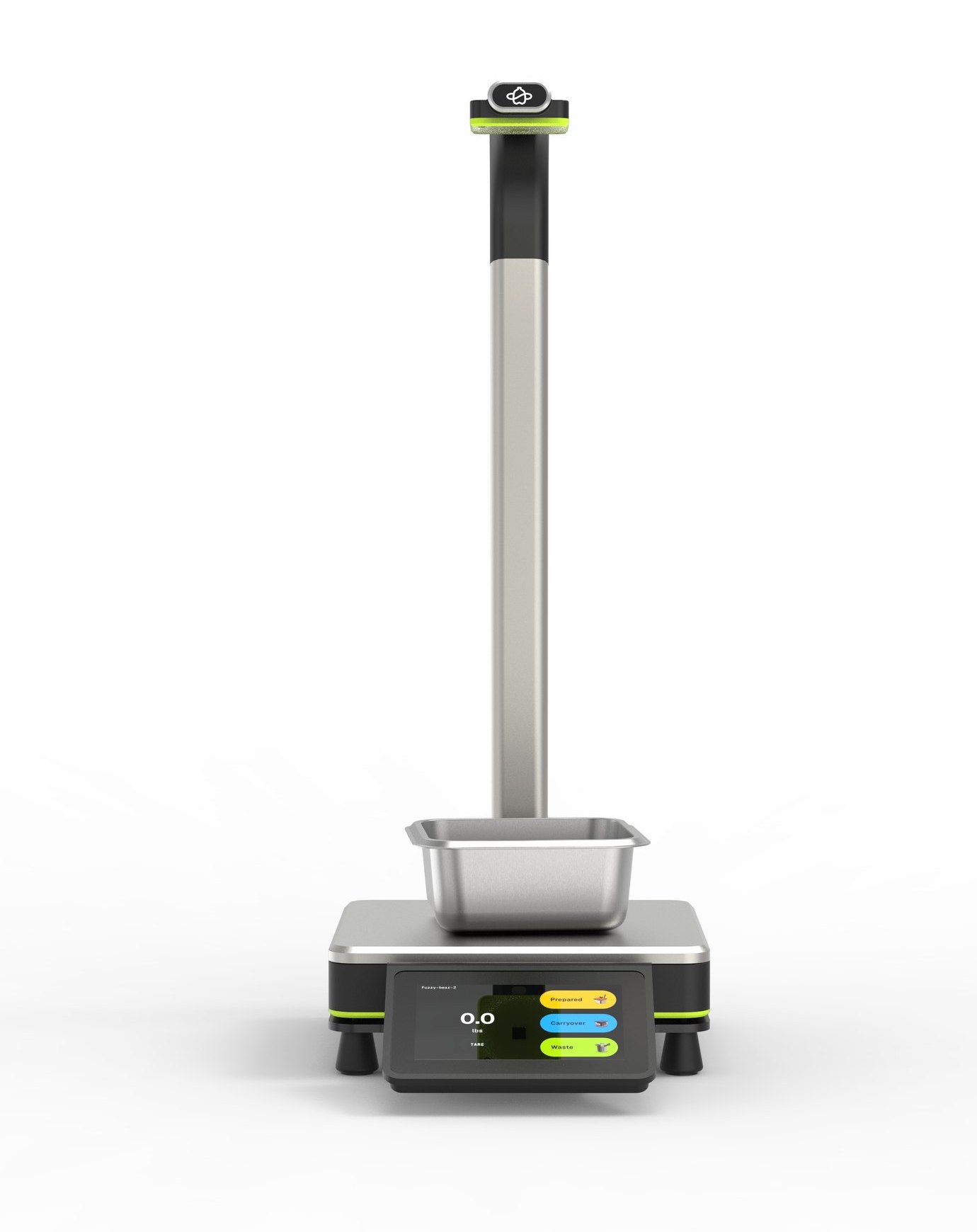
Designing a connected hardware and software platform from the ground up to help commercial kitchens reduce food waste and simplify operations.

Product designAIMachine learningSystems designService designProduct strategyHardware design

2M+ lbs Food recorded
10× Faster data capture
70% Reduction in food waste per menu item
5% Average decrease in cost per meal

Data collection with a single tap

Using AI and computer vision to remove work in the kitchen.

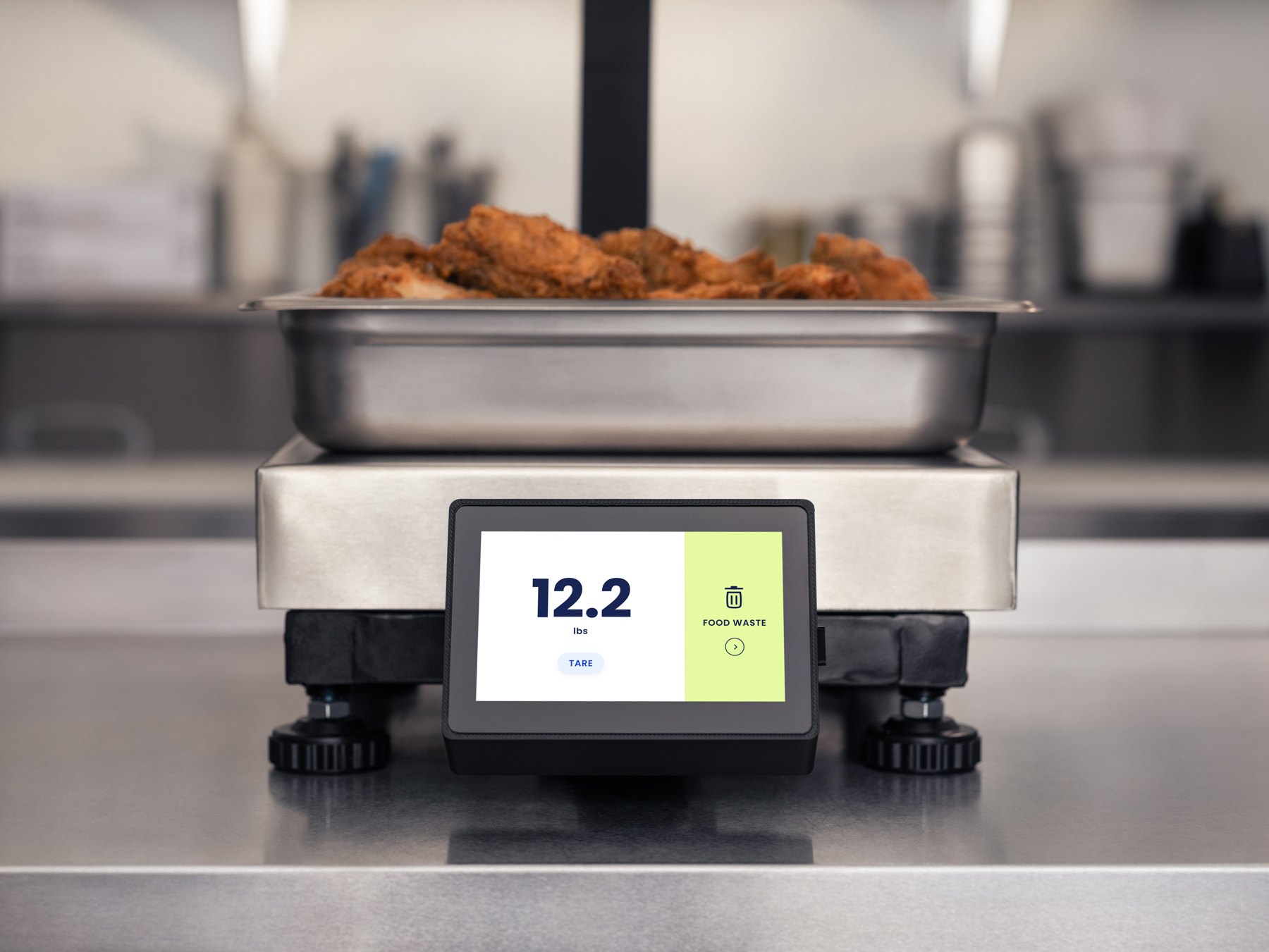
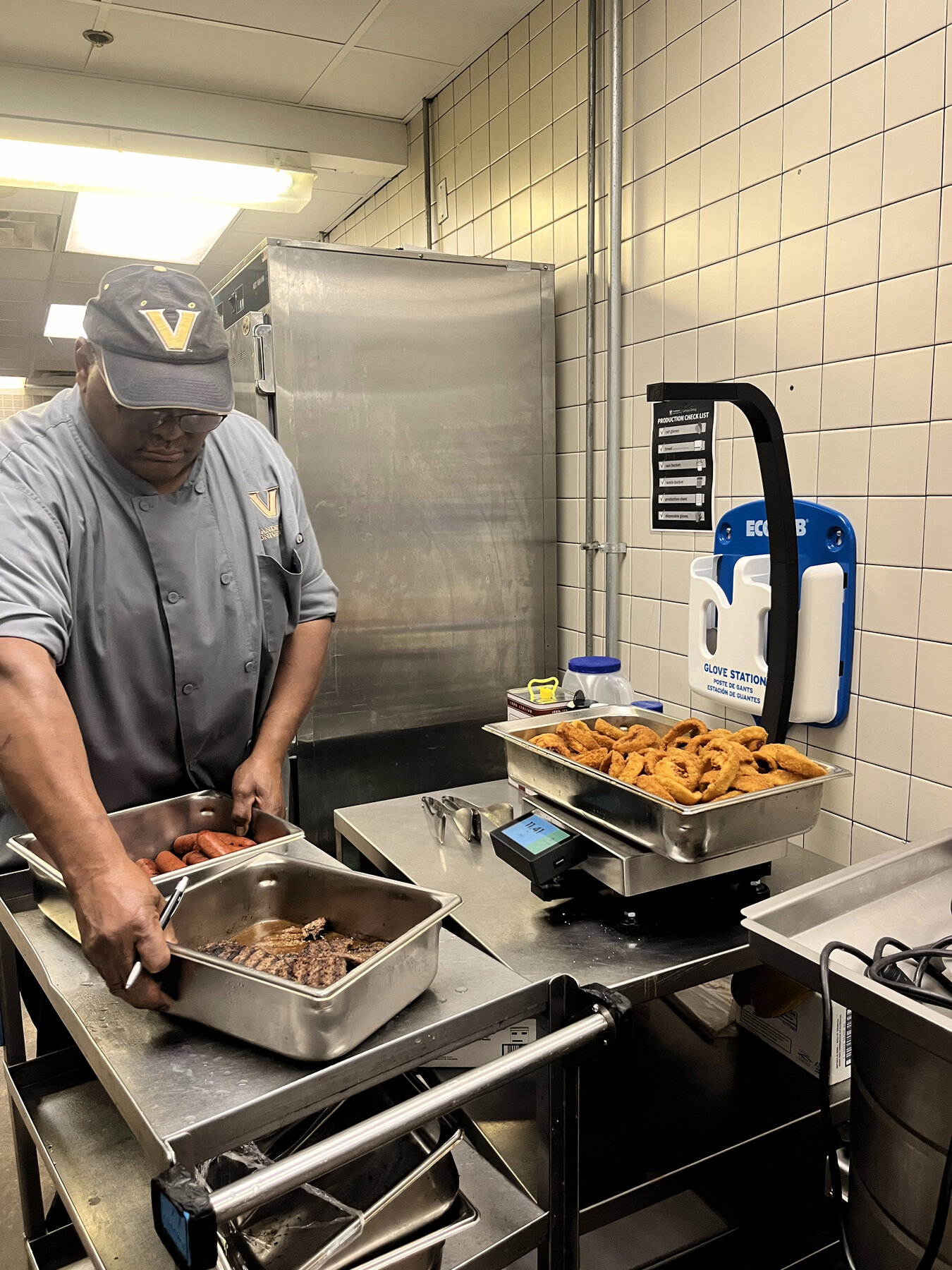
The StreamLine smart scale in use in a commercial kitchen
Fig. 1The StreamLine scale in use.

Rather than asking operators to manually record production data, StreamLine used AI and computer vision to automatically identify and label food as it was placed on the scale.

Instead of creating another task, data collection became a lightweight extension of the work already happening.

User testing shaped every aspect of the interface, helping us strike the right balance between a sleek, modern aesthetic and subtle moments of delight. The resulting design language felt innovative enough to build trust in the AI while using rewarding feedback to encourage consistent use throughout the day.

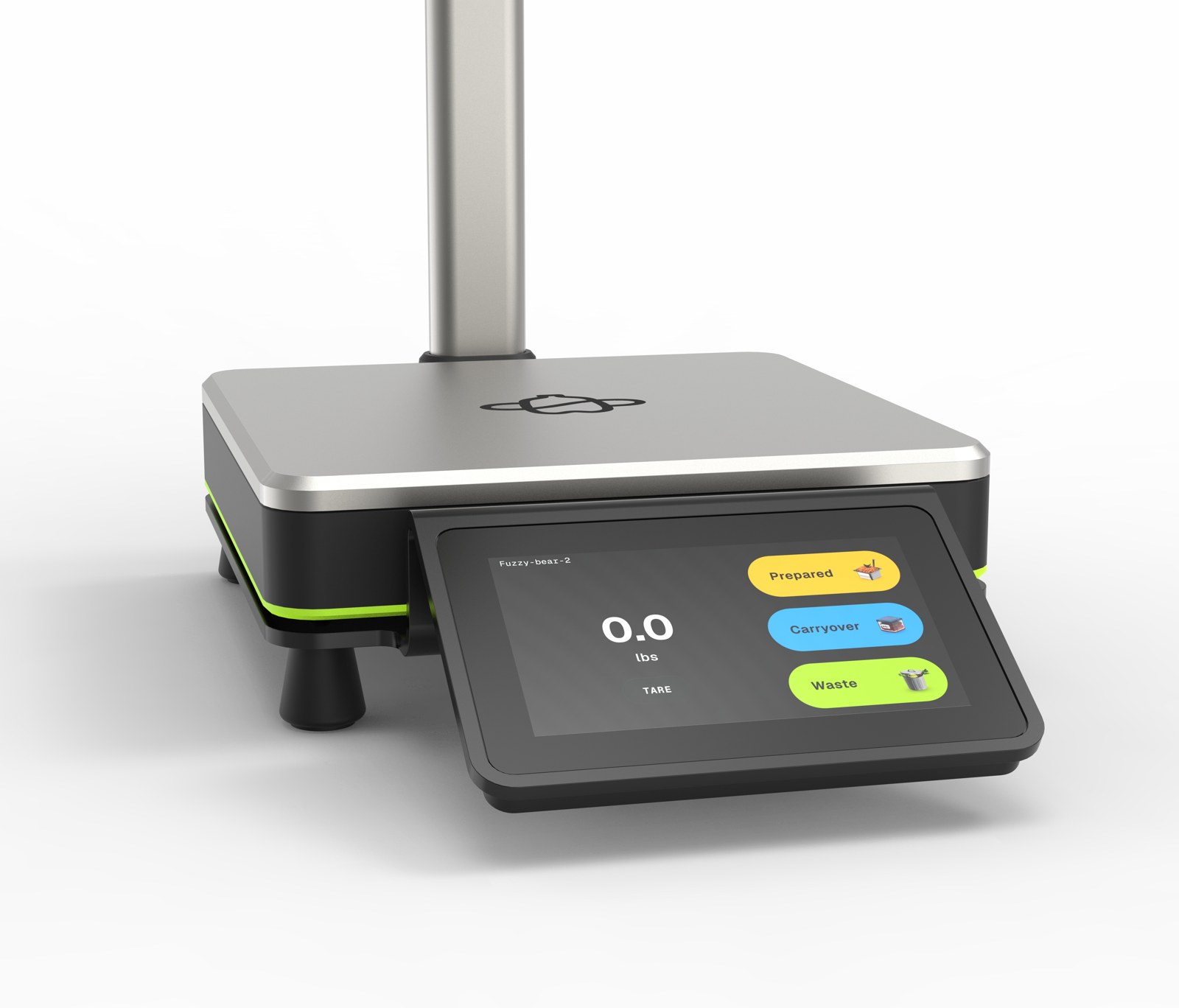
The StreamLine touchscreen mid-weigh, showing a live weight reading and Prepared, Carryover, and Waste mode buttons
Fig. 2The touchscreen itself: a live weight and a single tap to sort it.
Custom animated icon for a Waste observation: an overflowing trash can, with a sparkle payoff animation Custom animated icon for a Prepared observation: a hotel pan of food, with a sparkle payoff animation Custom animated icon for a Carryover observation: a labeled container of food, with a sparkle payoff animation
Fig. 3Custom icons bring some playfulness to the scale and reinforce the intent of each flow. Micro-animations brought them to life at key interaction points.

The quality of operational data is directly tied to the quality of the frontline experience.

By making data capture easy (and fun!), we created a system operators trusted and consistently used, laying the foundation for meaningful operational visibility and future AI-powered decision support.

Diagram showing where the StreamLine scale sits in back-of-house and on the serving line, and the Carryover, Waste, and Prepared modes it captures
Fig. 4Where the scale sits: back-of-house and on the serving line, capturing carryover, waste, and prepared weights.
An operator weighing food with the StreamLine scale during service
Fig. 5A single tap completes the measurement (pilot designs and hardware).
Flow diagram of the happy-path waste capture process, from weight detection through session confirmation
Fig. 6The happy-path waste flow, mapped.

From data to decision

Helping chefs put production data to use through AI and anticipatory design mechanisms.

The StreamLine Insights workspace, showing forecast suggestions, location performance, and highest-cost-of-waste items
Fig. 6The AI-native workspace is designed so that specific AI workflows populate “teaser” cards. The user taps to engage deeper with the chat experience.

Collecting operational data is only half the challenge. Once that data exists, people need experiences that help them quickly understand what matters without interrupting the work they’re already doing.

We used a system of anticipatory touchpoints that delivered information through the right channel at the right moment.

01

During Service

Embedded operational feedback provided immediate visibility while work was happening, helping teams stay on pace without interrupting service.

An embedded feedback badge reading 'Salad Bar ยท 21 Observations today'
02

Before Service

Daily email summaries gave chefs a quick understanding of yesterday’s performance before today’s shift began, making it easy to identify what required attention.

A daily email summary reading 'Good Morning, Chef! Here's what happened yesterday'
03

Weekly Reflection

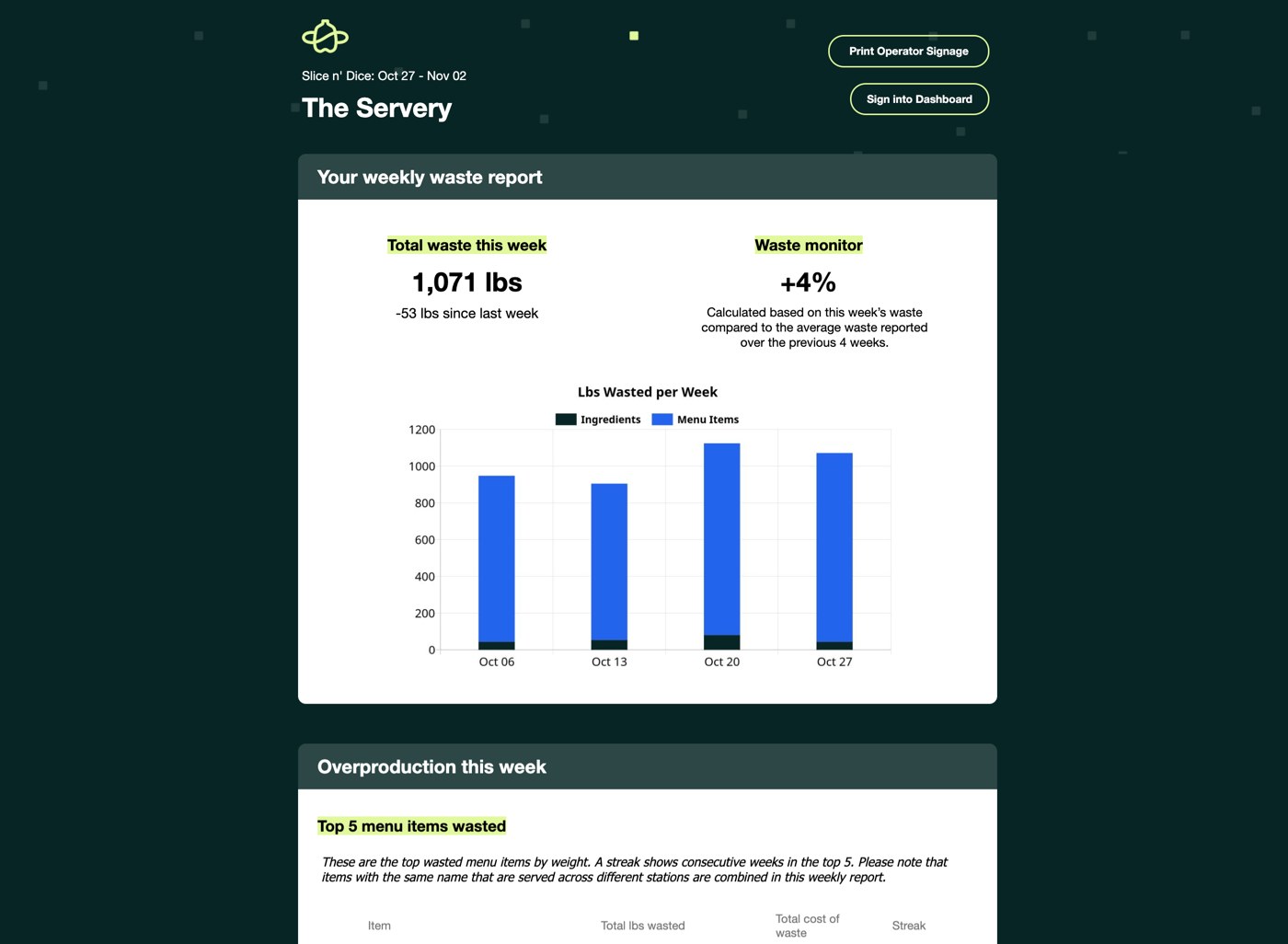
Weekly Slice n’ Dice reports created space to step back from day-to-day operations, helping chefs identify trends, celebrate wins, and uncover new opportunities for improvement.

A weekly waste report showing total waste this week and a waste monitor trend
04

Deep Exploration in Dashboard

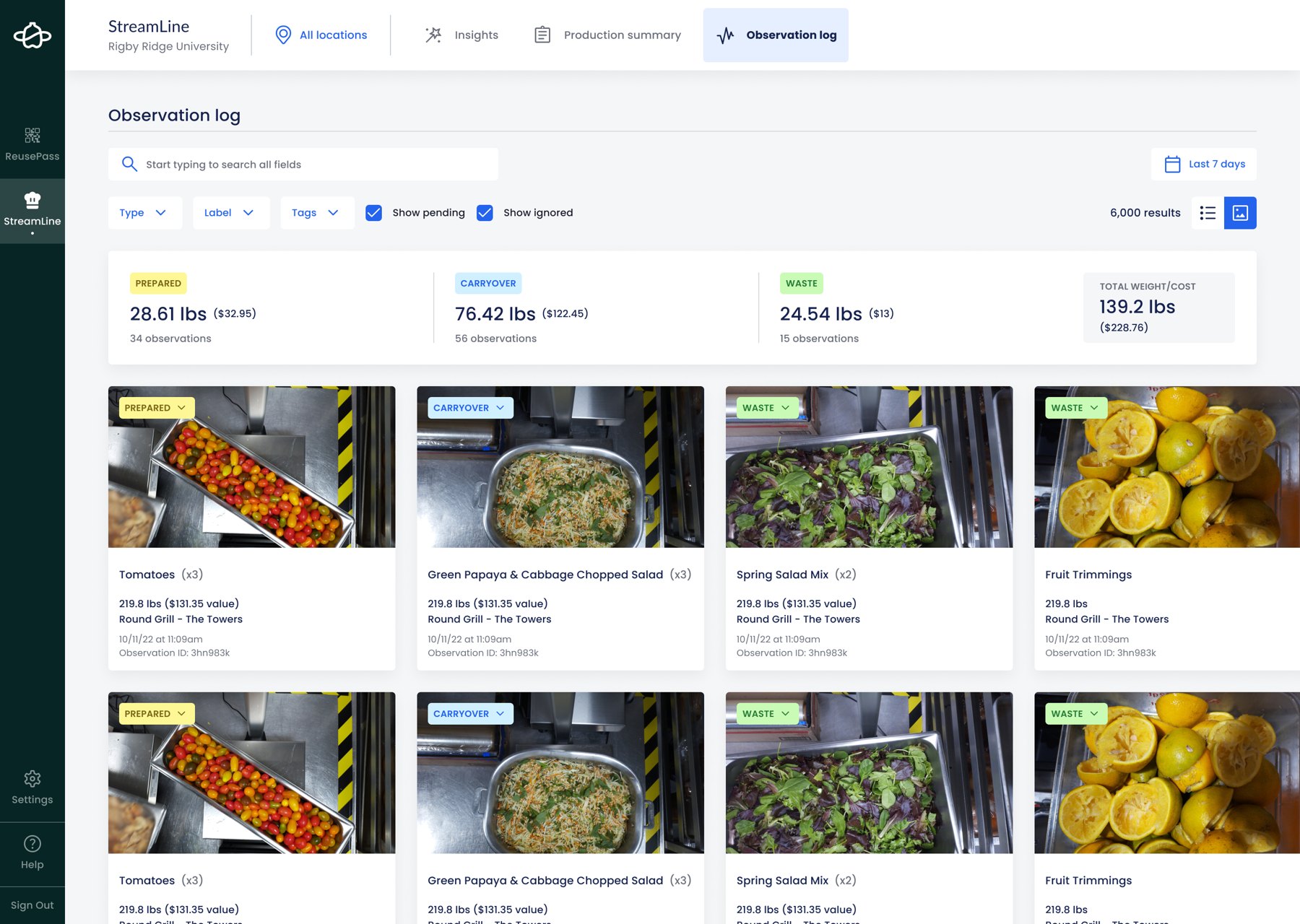
Rather than another dashboard, an AI-native workspace: chefs explore performance visually, or ask an assistant that’s read thousands of production observations and can answer in plain language.

05

Agentic Support

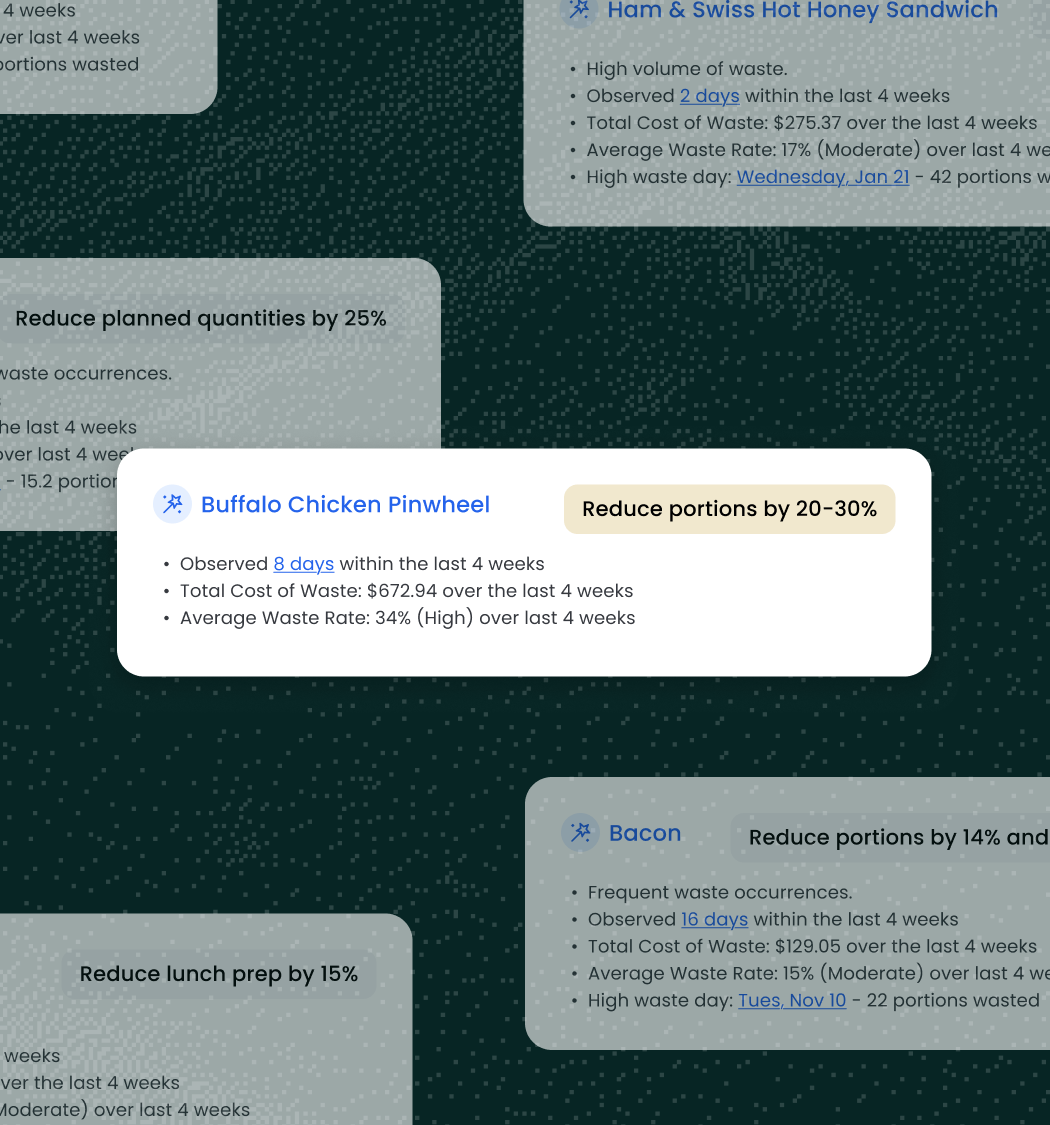
Beyond surfacing insights, we built focused workflows and agentic tasks that let chefs act on what they saw directly. Updating a forecast (previously a manual process spread across separate systems) became a single tap, with the agent handling the update everywhere it needed to happen.

The AI assistant confirming an update was applied successfully