Operating Models
The best customer experiences don’t begin with software. They begin with systems that work.
I’m drawn to moments where physical and digital experiences intersect.
When technology, people, operations, and physical space are designed together, complex systems become intuitive experiences, for both customers and the teams delivering them.
Across Apple, Verizon, Sweetgreen, and Topanga, I’ve worked on products and services that changed how people interact with physical businesses. From connected retail experiences and self-service concepts to modular restaurant formats and circular reuse systems, each project required looking beyond the interface to redesign the operating model beneath it.
Scaling One Brand Across Many Formats
Sweetgreen Store Formats
Designing a modular operating model that enabled expansion across new restaurant formats.
Scaling One Brand Across Many Formats
Sweetgreen Store Formats
Designing a modular operating model that enabled expansion across new restaurant formats.
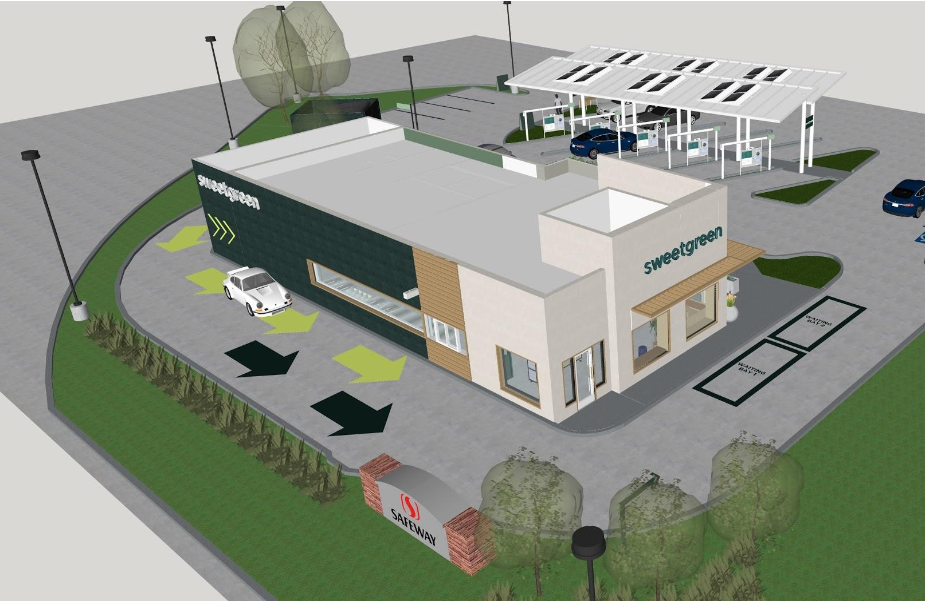
As Sweetgreen expanded into new markets, the company needed an operating model that could adapt to different restaurant formats without creating entirely new customer experiences.
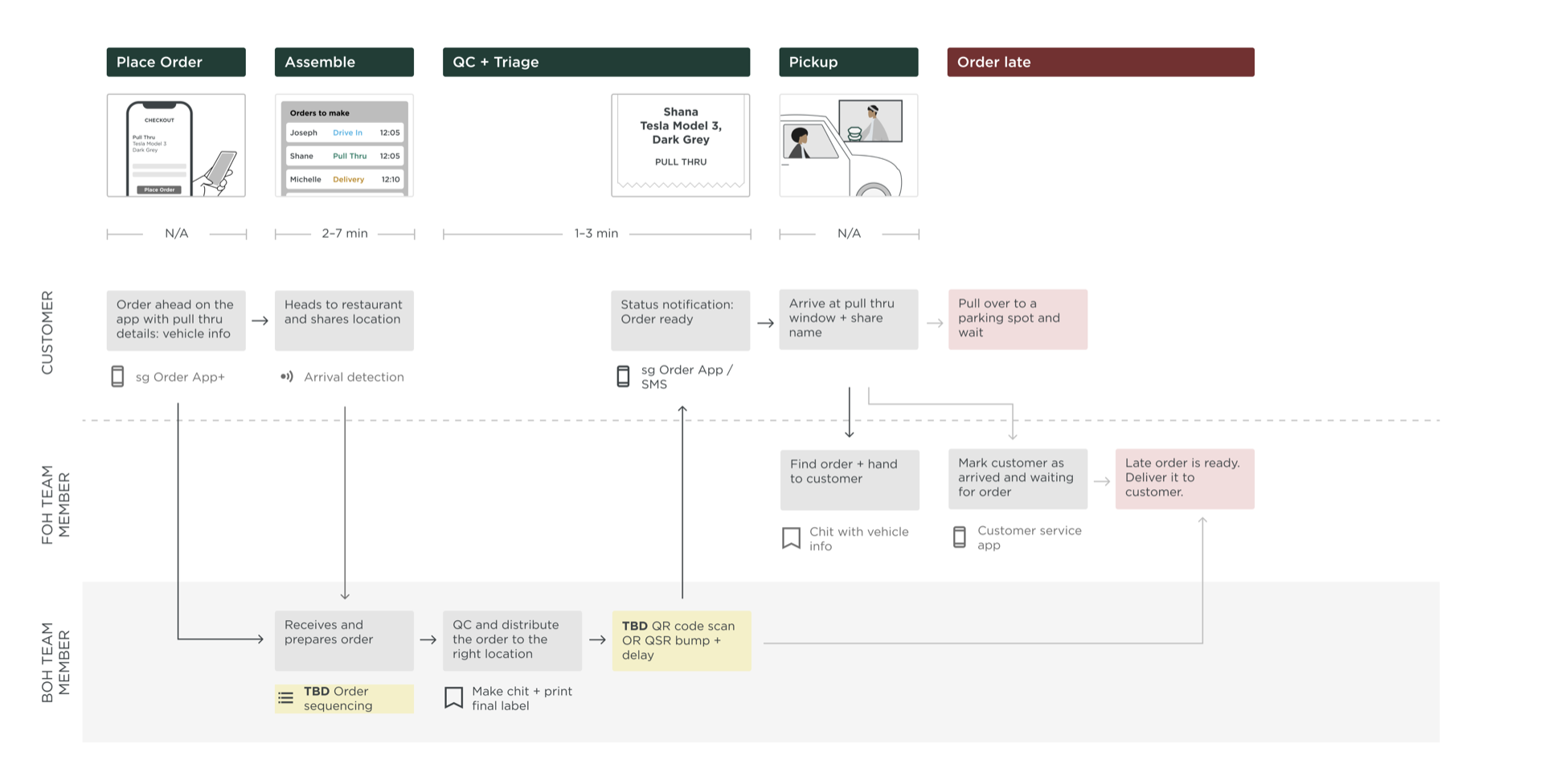
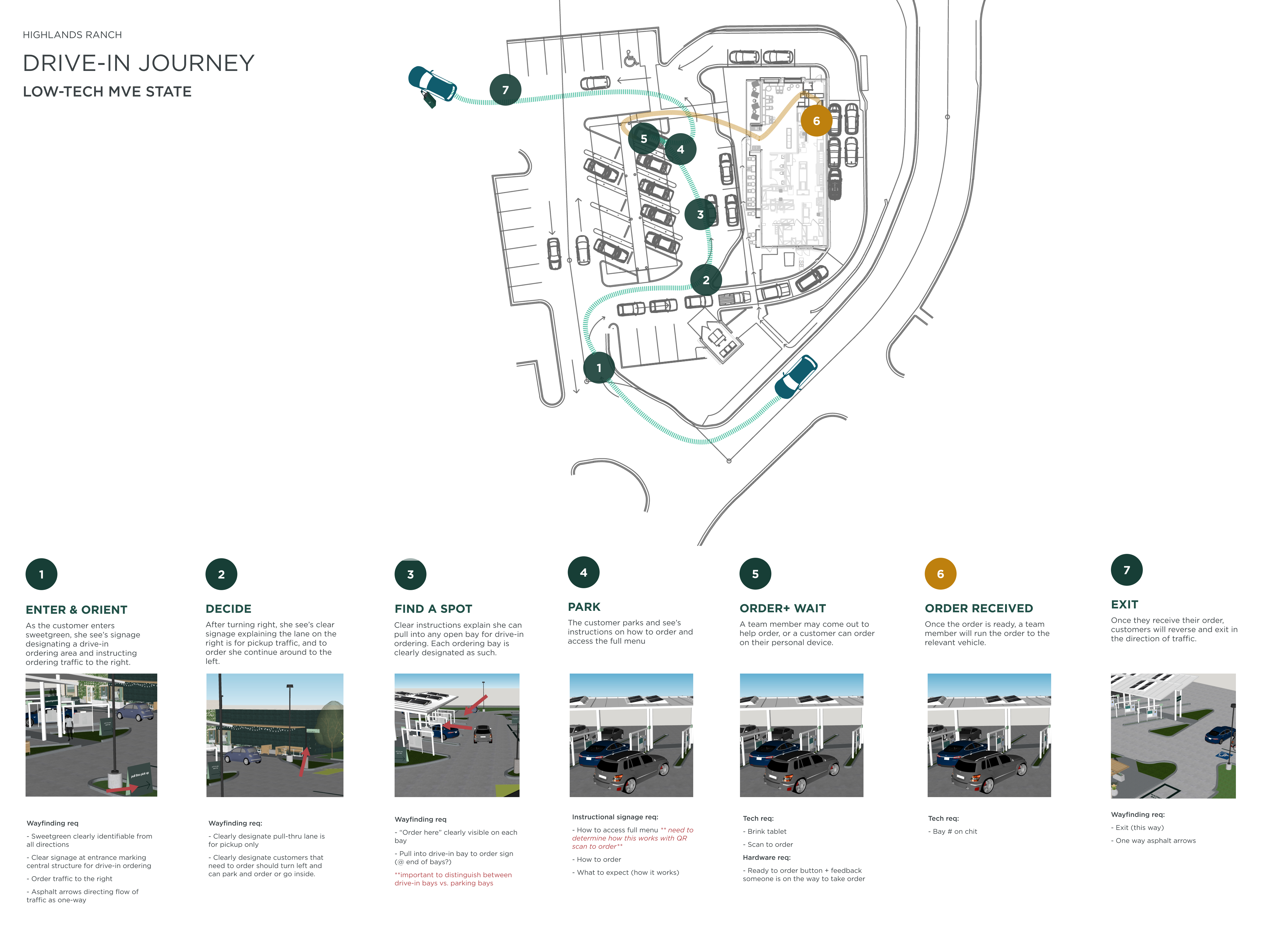
I partnered with restaurant design, operations, and technology teams to define the company’s first drive-thru and curbside pickup experiences, ensuring each new service felt like a natural extension of the Sweetgreen brand.
Rather than designing each format independently, we developed a modular operating model, a flexible system of customer journeys and employee workflows that could expand or contract depending on the needs of each location.
Putting Customers in Control
Verizon Express
Redefining retail by shifting transactional experiences from employees to customers.
Putting Customers in Control
Verizon Express
Redefining retail by shifting transactional experiences from employees to customers.
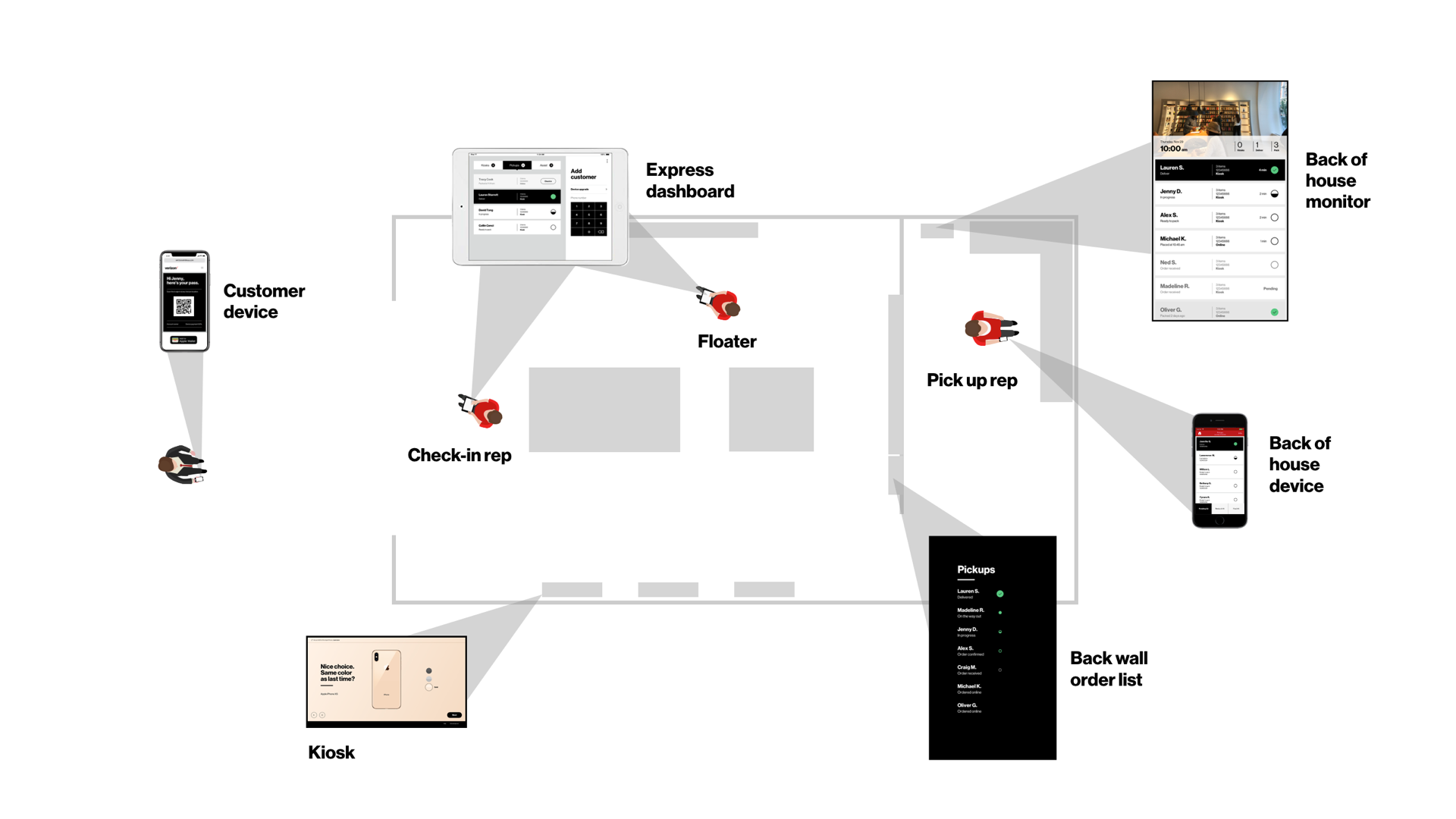
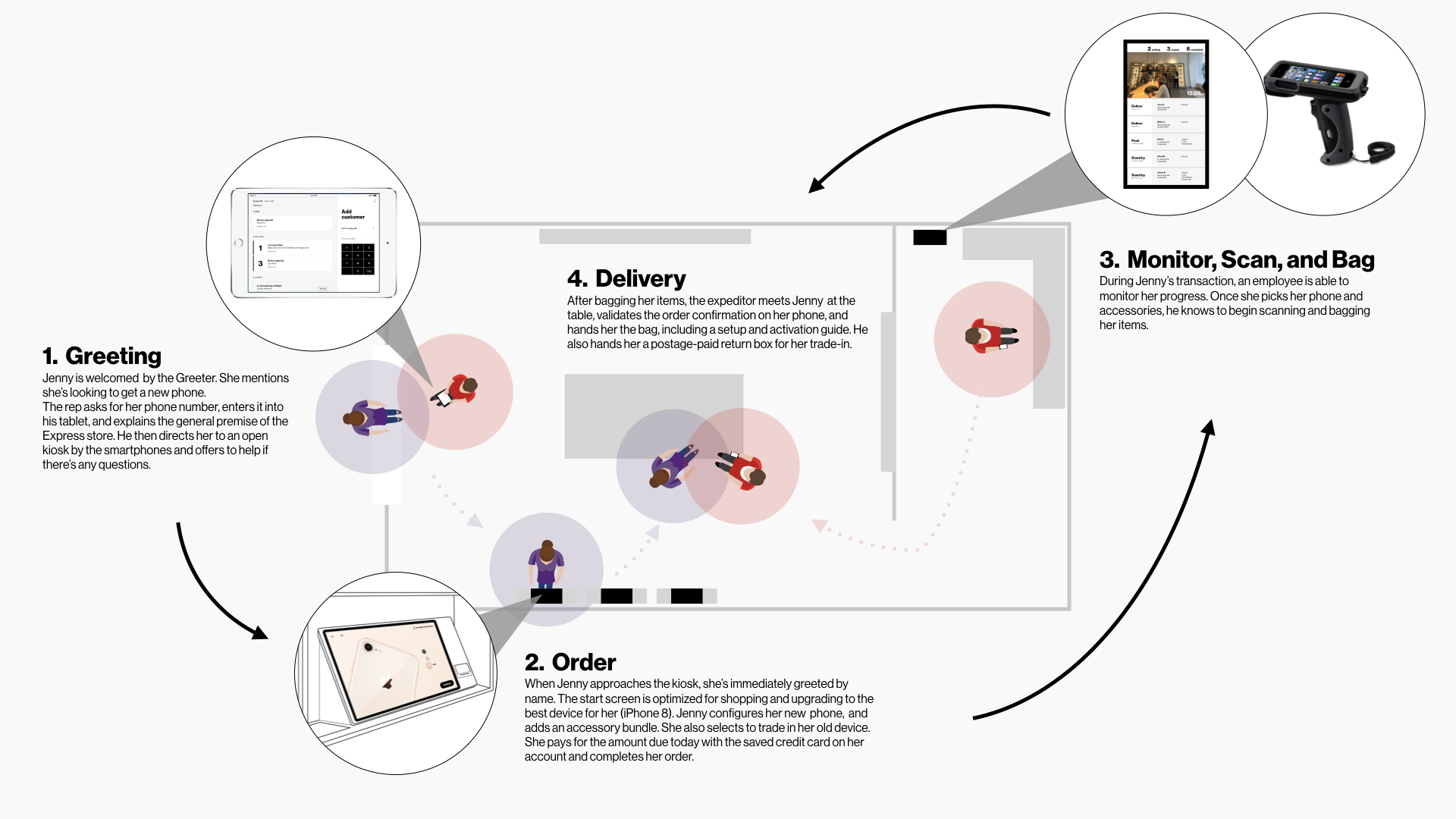
Verizon Express reimagined the traditional wireless store as a digital-first retail format where customers could independently browse, compare, purchase, and upgrade devices without waiting for a sales associate. The new operating model enabled smaller-footprint stores with fewer staffing needs while dramatically reducing transaction times and empowering customers to leave with a product in hand.
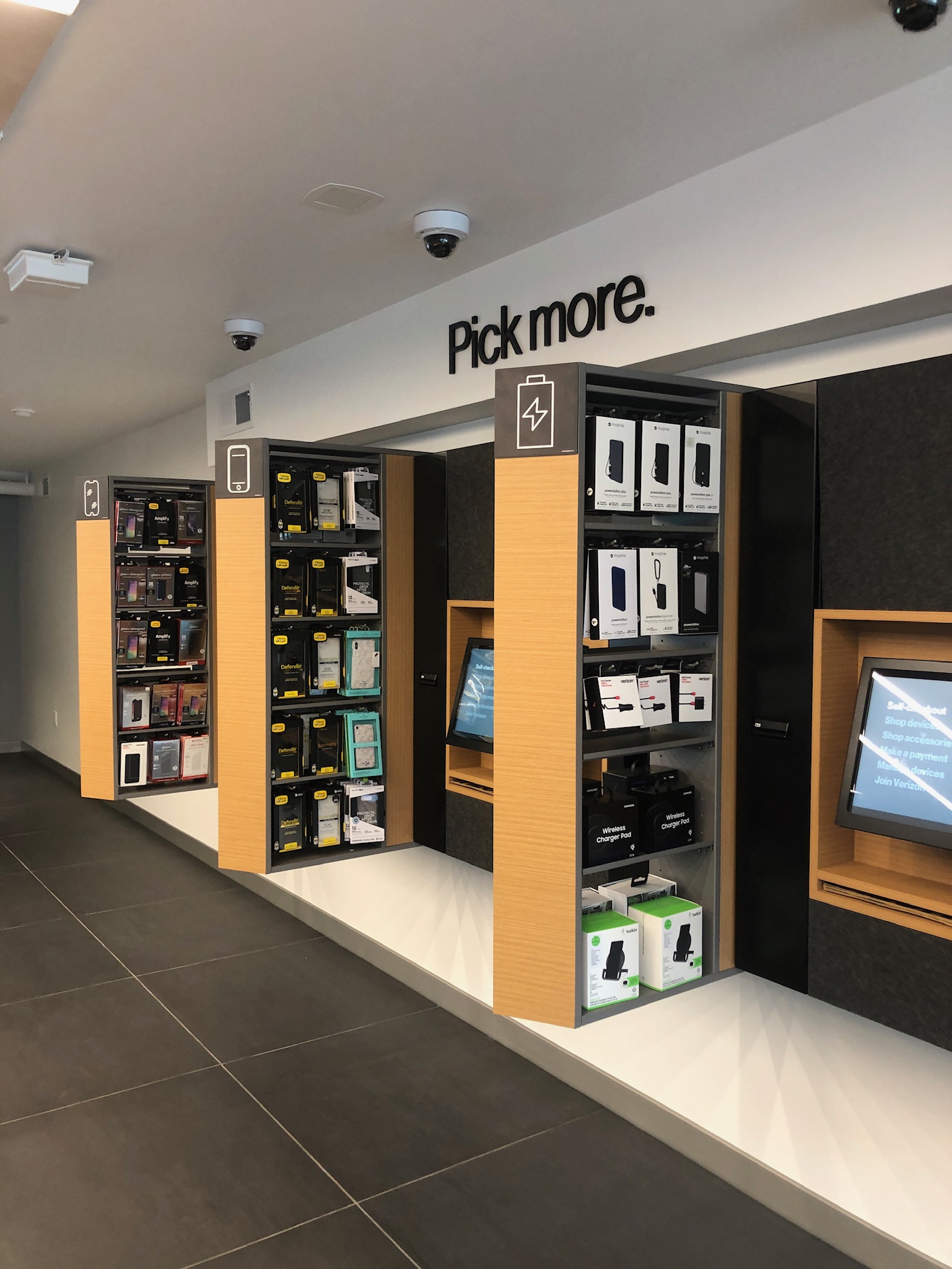
As the experience design lead, I helped define the end-to-end operating model, designing how customer-facing touchpoints, employee tools, and the physical environment worked together as one connected system. From self-service kiosks and accessory discovery to digital order status and seamless authentication across touchpoints, every platform was designed to reduce friction while maintaining a premium retail experience.
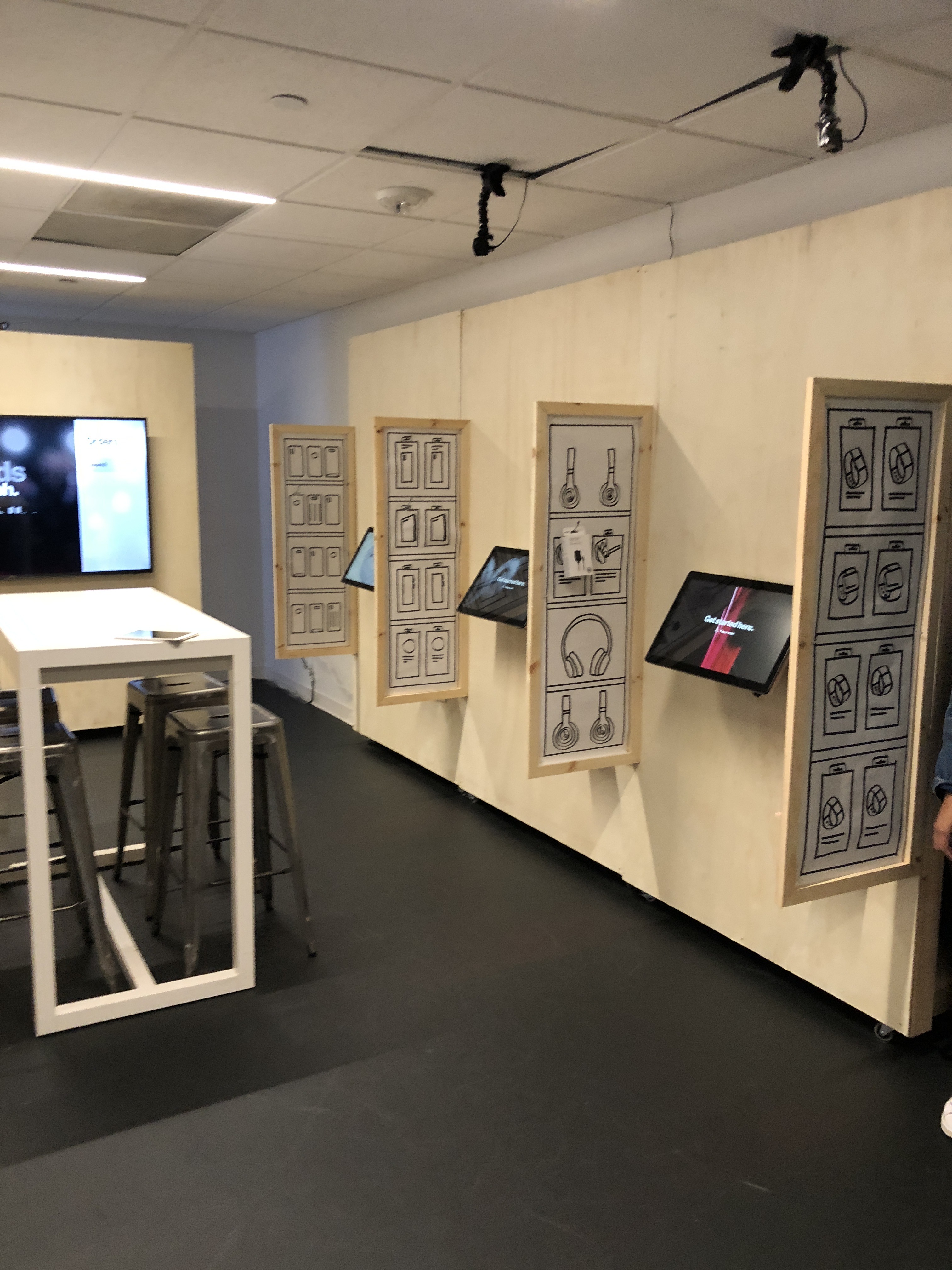
To bring the vision to life, our team transformed a conference room into a fully functional Express Store prototype, allowing stakeholders to experience the concept firsthand and enabling realistic user testing before launch.
Making Reuse Scalable
Topanga ReusePass
Designing a circular operating model that made reusable packaging practical at scale.
Making Reuse Scalable
Topanga ReusePass
Designing a circular operating model that made reusable packaging practical at scale.
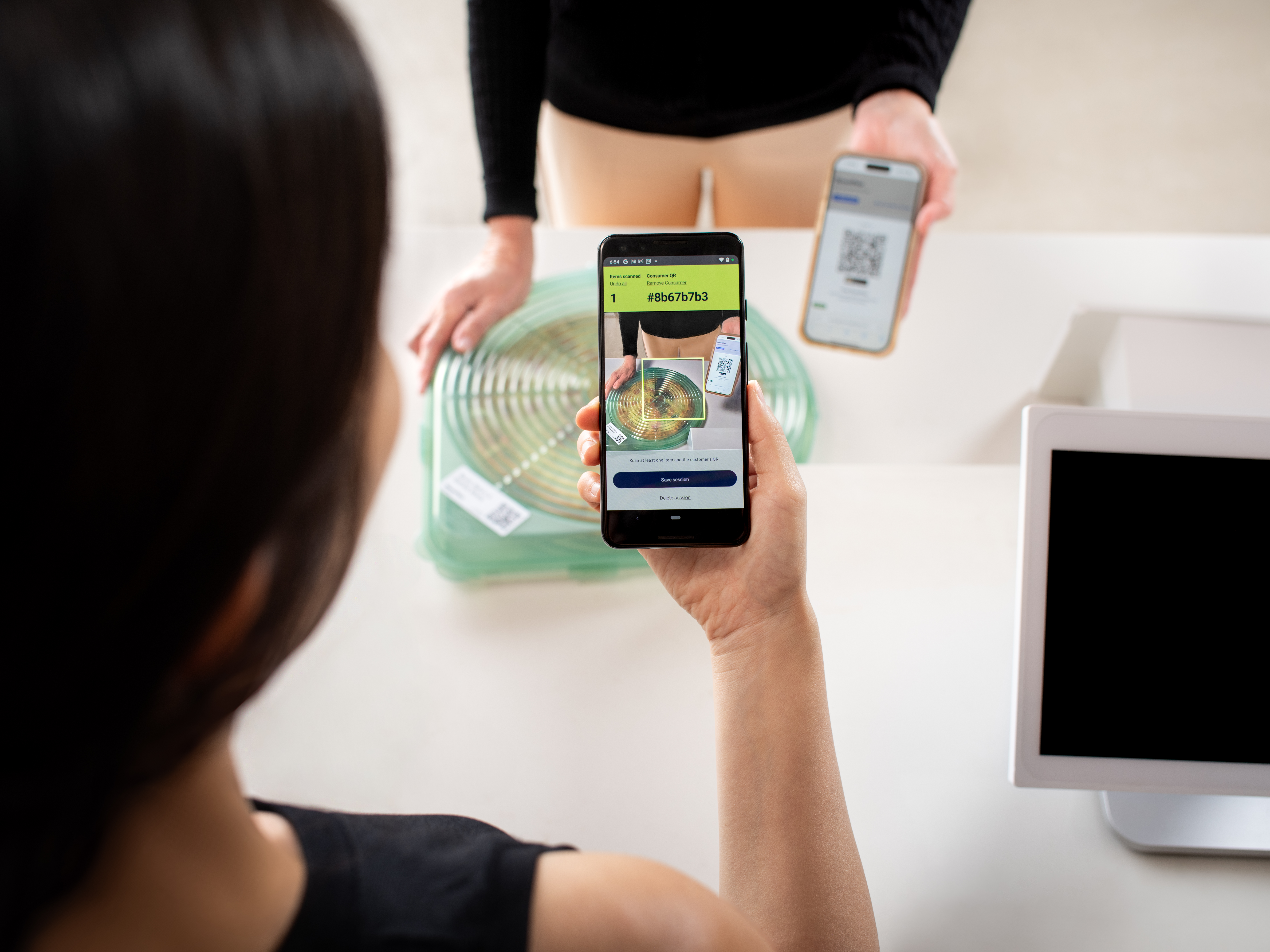
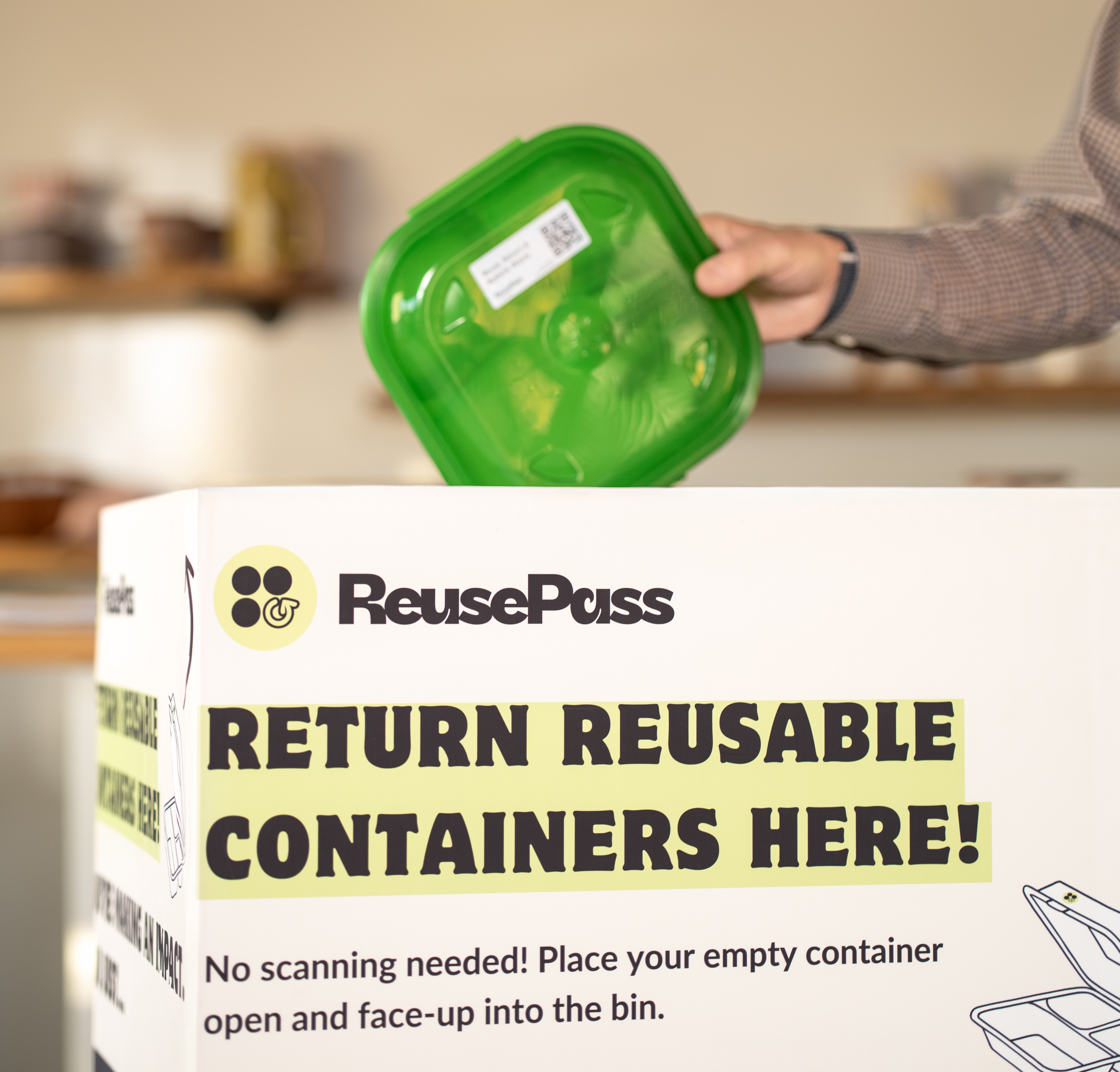
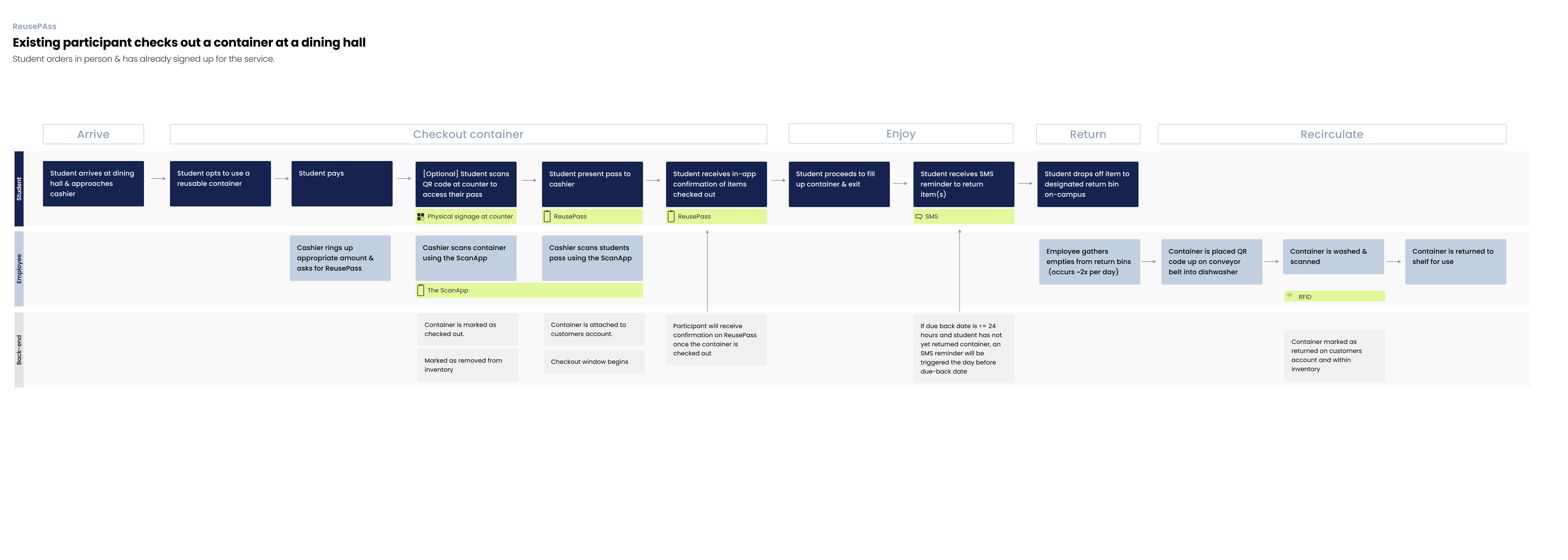
ReusePass transformed reusable packaging from an environmental initiative into an operational system that fit naturally into everyday food service.
As Head of Design, I led the design of the end-to-end experience spanning customers, operators, and back-of-house teams.
Every touchpoint, from enrollment and container checkout to return workflows and administrative tools, was designed to make reuse feel as effortless as disposable packaging.
Rather than asking organizations to adopt entirely new ways of working, we integrated reusable packaging into existing operations and leveraged RFID technology to minimize behavior change for both customers and frontline staff.
An Omnichannel Shopping Journey
Apple Store Experience
Designing connected retail experiences across digital and physical touchpoints.
An Omnichannel Shopping Journey
Apple Store Experience
Designing connected retail experiences across digital and physical touchpoints.
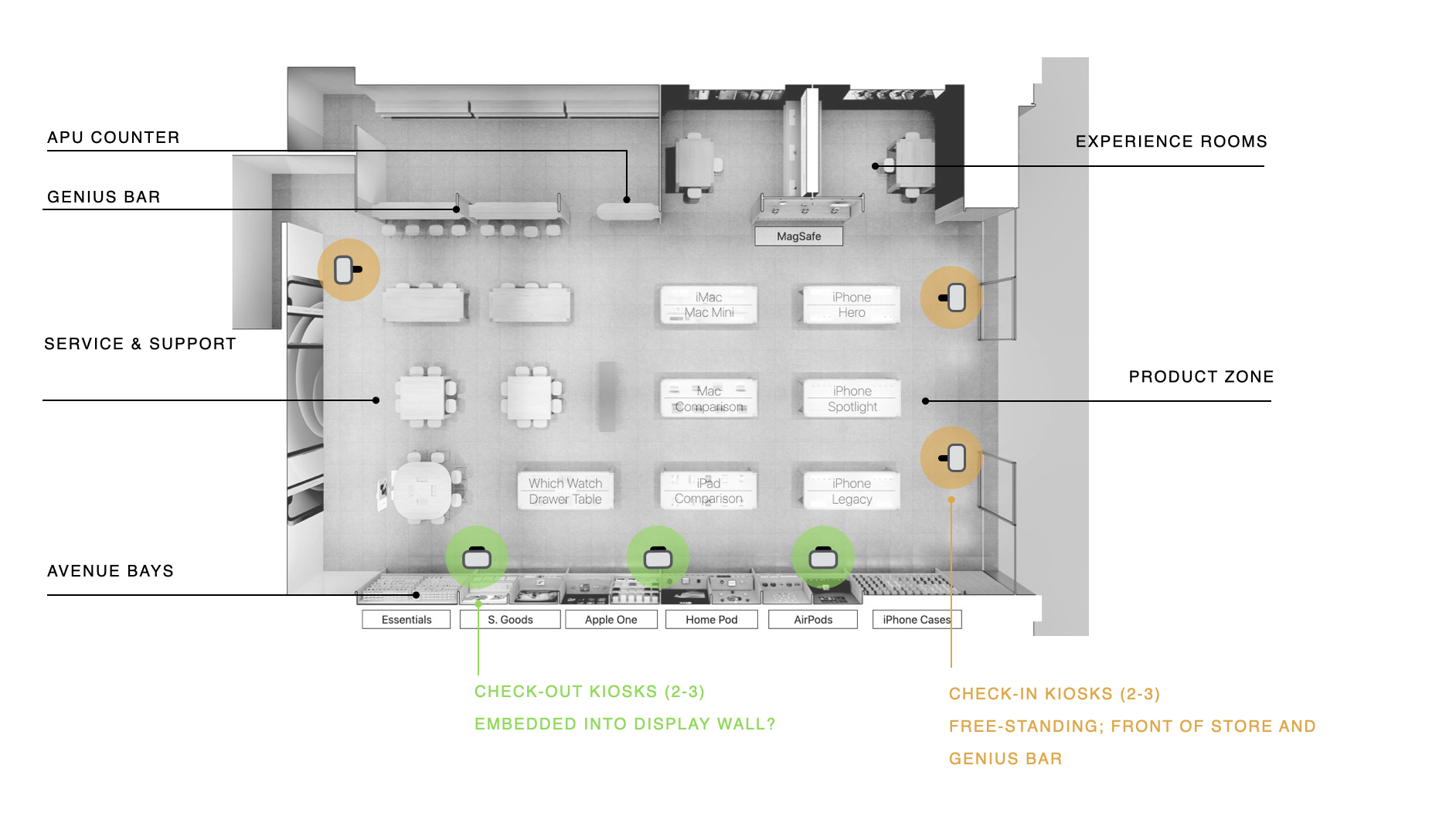
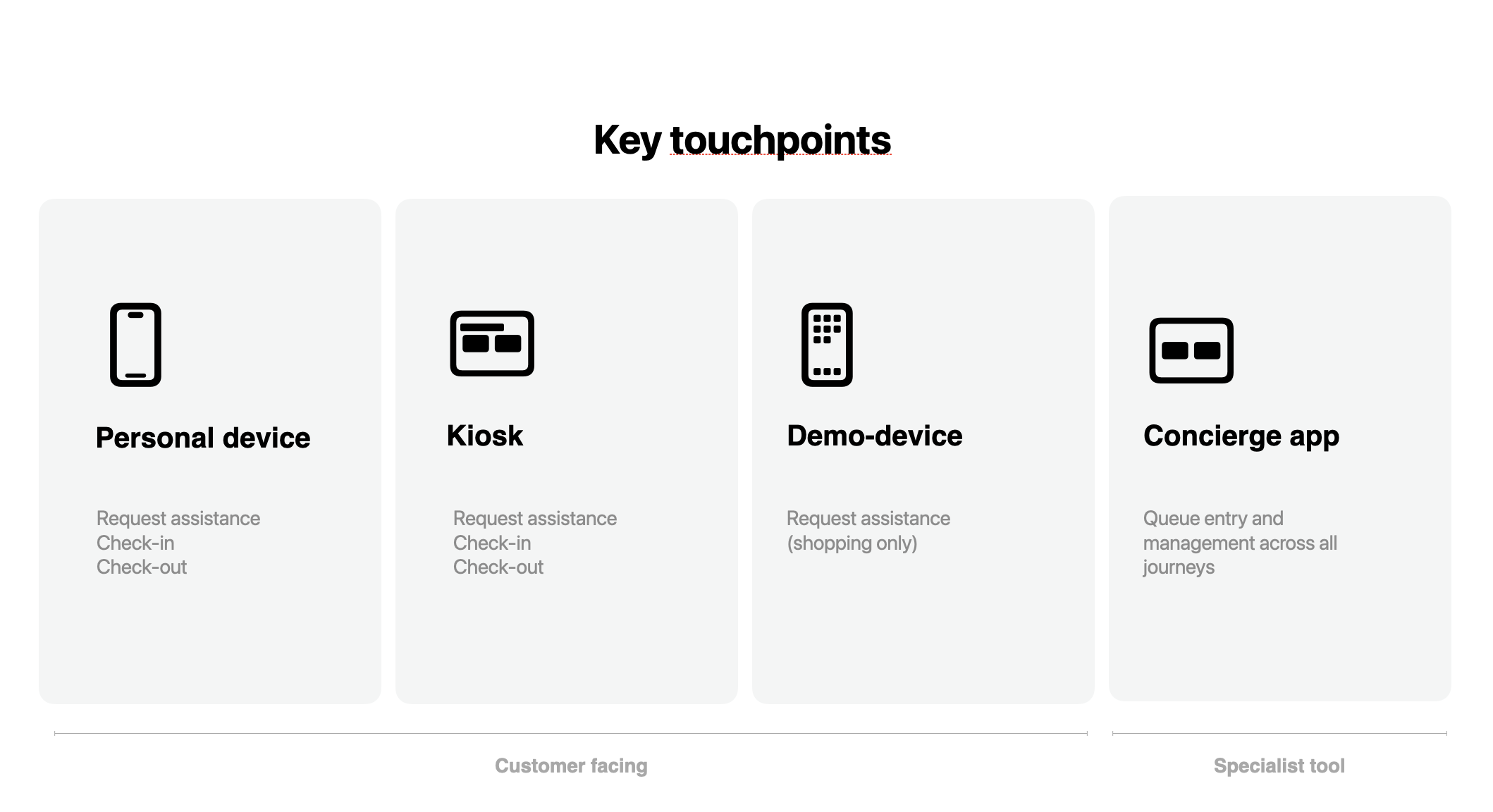
During my time at Apple, I worked across retail experience initiatives spanning digital product discovery, in-store experiences, and future retail concepts.
This work shaped my perspective on designing customer journeys holistically, where technology, physical space, and human interactions work together as one cohesive experience.
Across these projects, the real design challenge was understanding how technology, operations, physical space, and human behavior needed to evolve together.